
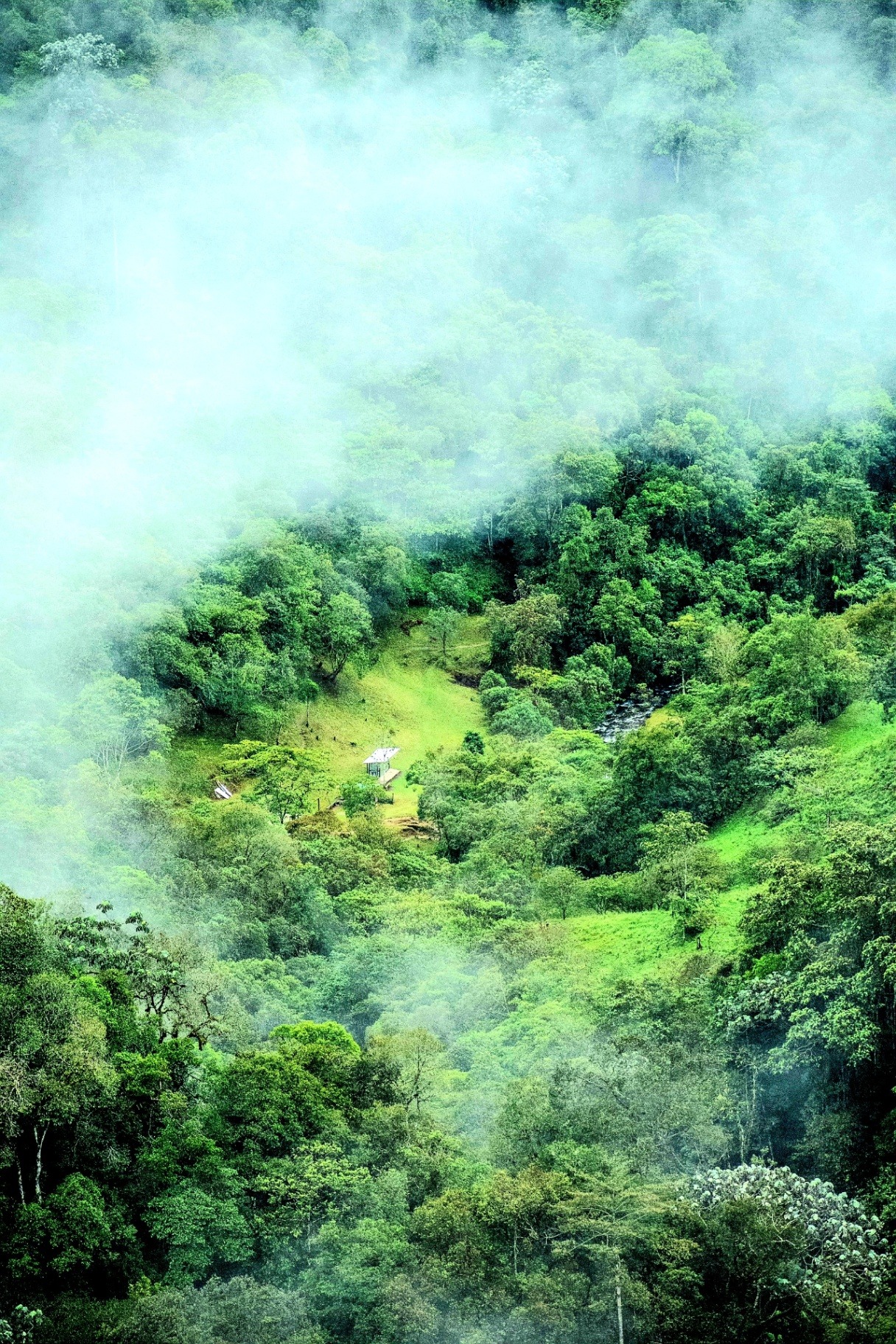
Chapter One · Colombia
The map of origin.
A study of the land, the hands and the silence that produces Colombia's most quietly extraordinary coffees — region by region.
Prologue
Long before coffee becomes a cup, it is weather. It is altitude, shadow, rain held in a leaf. It is a grandmother's instruction passed down a hillside. It is a country teaching itself, generation by generation, how to grow something the world will one day call exceptional.
Regions we work with
Eight origins. One country.
Huila
1,500–1,900 m
Tolima
1,400–1,800 m
Cauca
1,600–2,000 m
Antioquia
1,400–1,800 m
Caldas
1,300–1,700 m
Quindío
1,300–1,700 m
Risaralda
1,400–1,800 m
Sierra Nevada
1,200–1,800 m
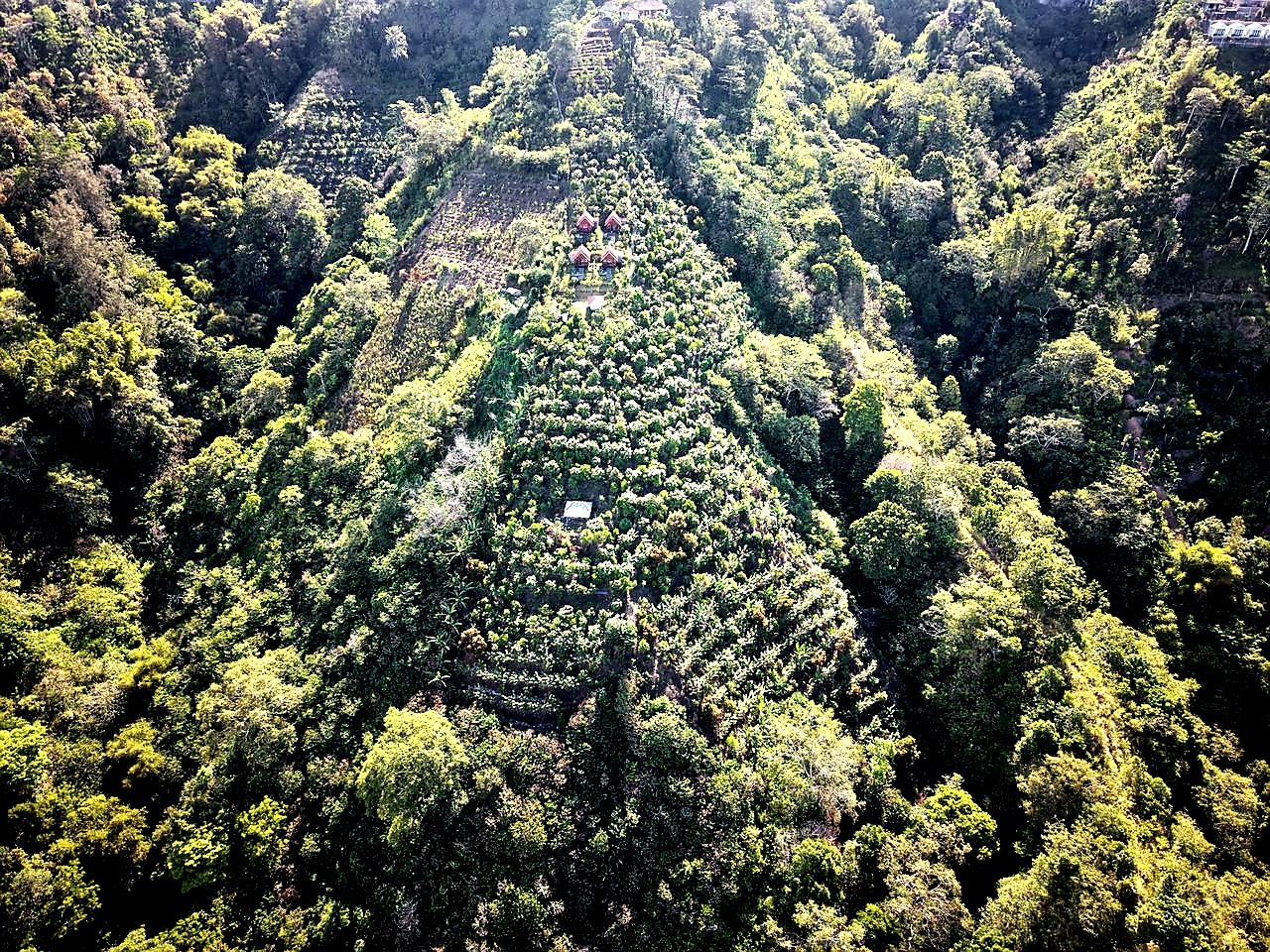
10°50′N · 73°40′W — Sierra Nevada de Santa Marta
The world's highest coastal mountain range.
I · Landscapes
A country folded by mountains.
Three ranges of the Andes carve Colombia into valleys of microclimate, each a private conversation between altitude, mist and volcanic soil. From the Eje Cafetero — Caldas, Quindío, Risaralda — to the southern slopes of Huila, Tolima and Cauca, and the highland farms of Antioquia, coffee here is never one thing. It is a hundred answers to a hundred slopes.
On the Caribbean's edge, the Sierra Nevada rises alone — snowcaps within sight of palm trees, a singular outlier to the Andean spine. Each region writes a different cup.
"Terroir is not a place. It is a discipline of attention."
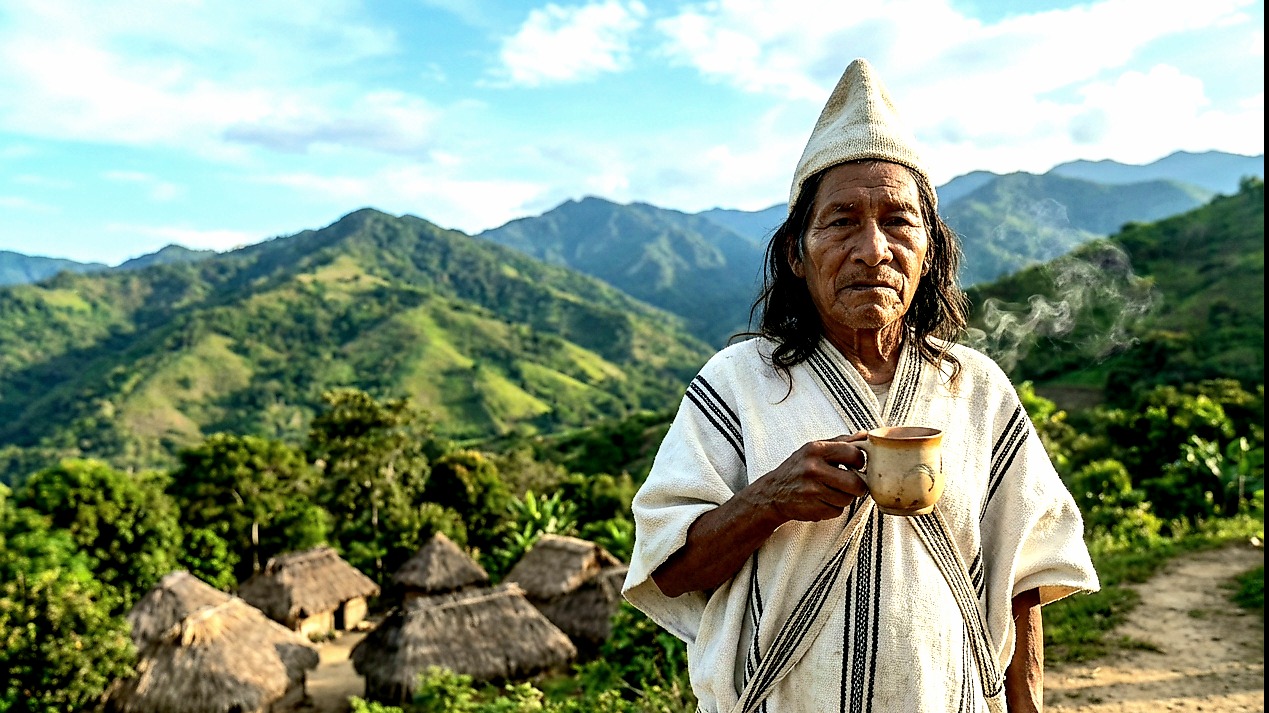
Plate II — One of many regions
II · The Producers
Families across Colombia. One inherited horizon.
We work with smallholder families across Huila, Tolima, Cauca, Antioquia, the Eje Cafetero and the Sierra Nevada — most farming between two and six hectares, most for at least three generations. They do not call themselves growers. They call themselves caretakers.
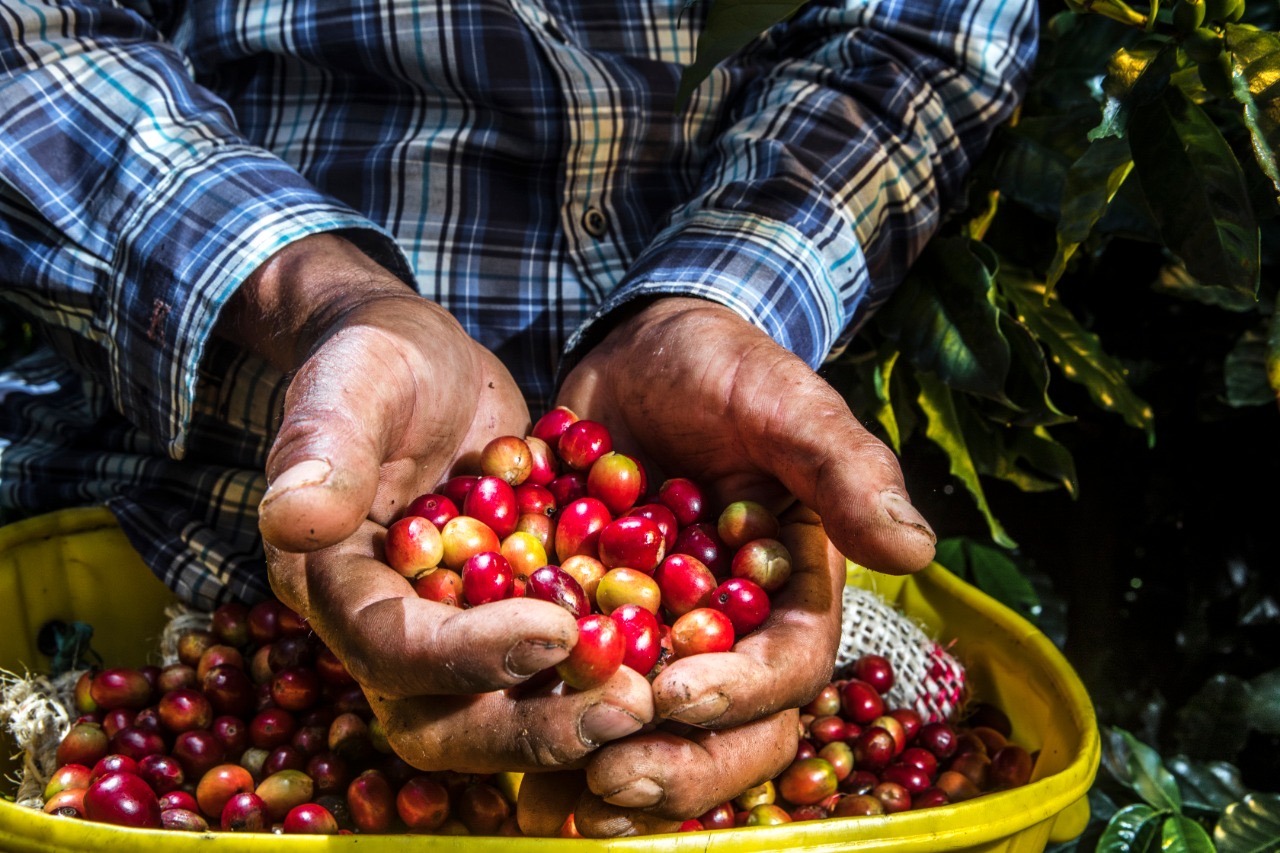
Each lot is harvested by hand, depulped at the farm, fermented in mountain water and sun-dried on raised beds. Nothing is rushed. Coffee, like a child, asks for its own time.
- 8
- Regions
- 1,650m
- Median altitude
- 100%
- Hand picked
III · Biodiversity
Grown beneath a living canopy.
Across Colombia's coffee belt, our partners grow under native shade — guamo, cachimbo, nogal cafetero — alongside orchids, bromeliads and hundreds of bird species. The forest is not a backdrop. It is the farm.
Shade-grown coffee yields less. It also yields a sweeter, slower, more articulated cup — and a forest still alive enough to hum at sunrise.
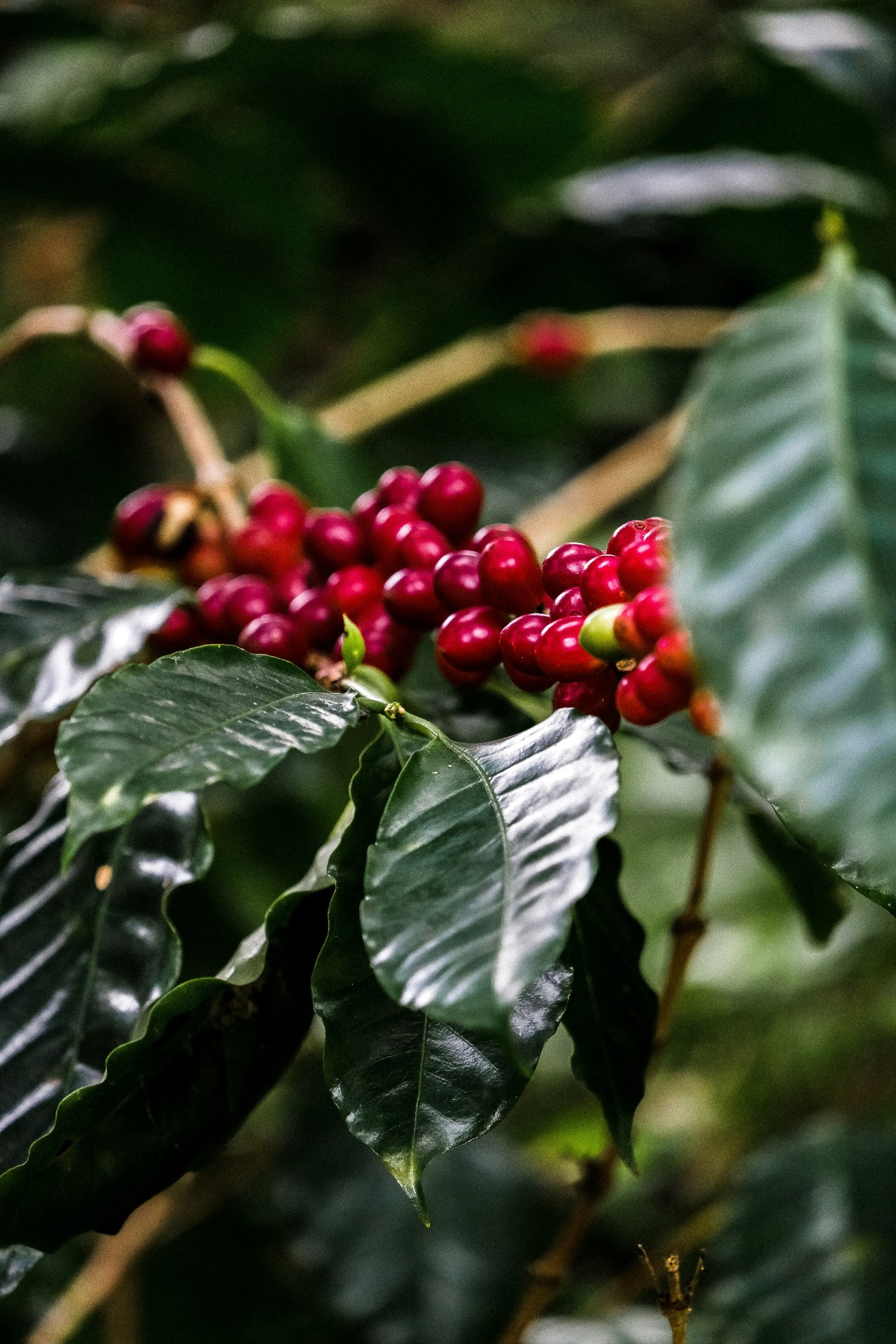
IV · A chapter of its own
The Arhuaco of the Sierra Nevada.

Among the regions we work with, the Sierra Nevada holds a singular chapter. The Arhuaco — Iku in their own tongue — have lived in this range for at least a thousand years and consider it the heart of the world.
For the Arhuaco, coffee is pagamento — a sacred offering. Cultivation becomes an act of reciprocity between people, land and future generations. It is one of many ways Colombia teaches us what coffee can mean.
We do not own a single hectare of their land, nor of any farm in Huila, Tolima, Cauca or the Eje Cafetero. We are guests. Our role is to listen, to pay fairly, and to carry each region's coffee outward without distorting its voice.
V · Ritual
"Each cherry is touched, on average, by seven hands before it ever becomes a cup."
— A record of careful repetition.
Our Philosophy
We do not simply
import coffee.
We Curate Origin.
Origin comes before product. People come before transactions. Relationships come before scale.